

client
Houston Public Media
sector
public media
year
2026
scope
creative direction launch event
a bureau that was already working
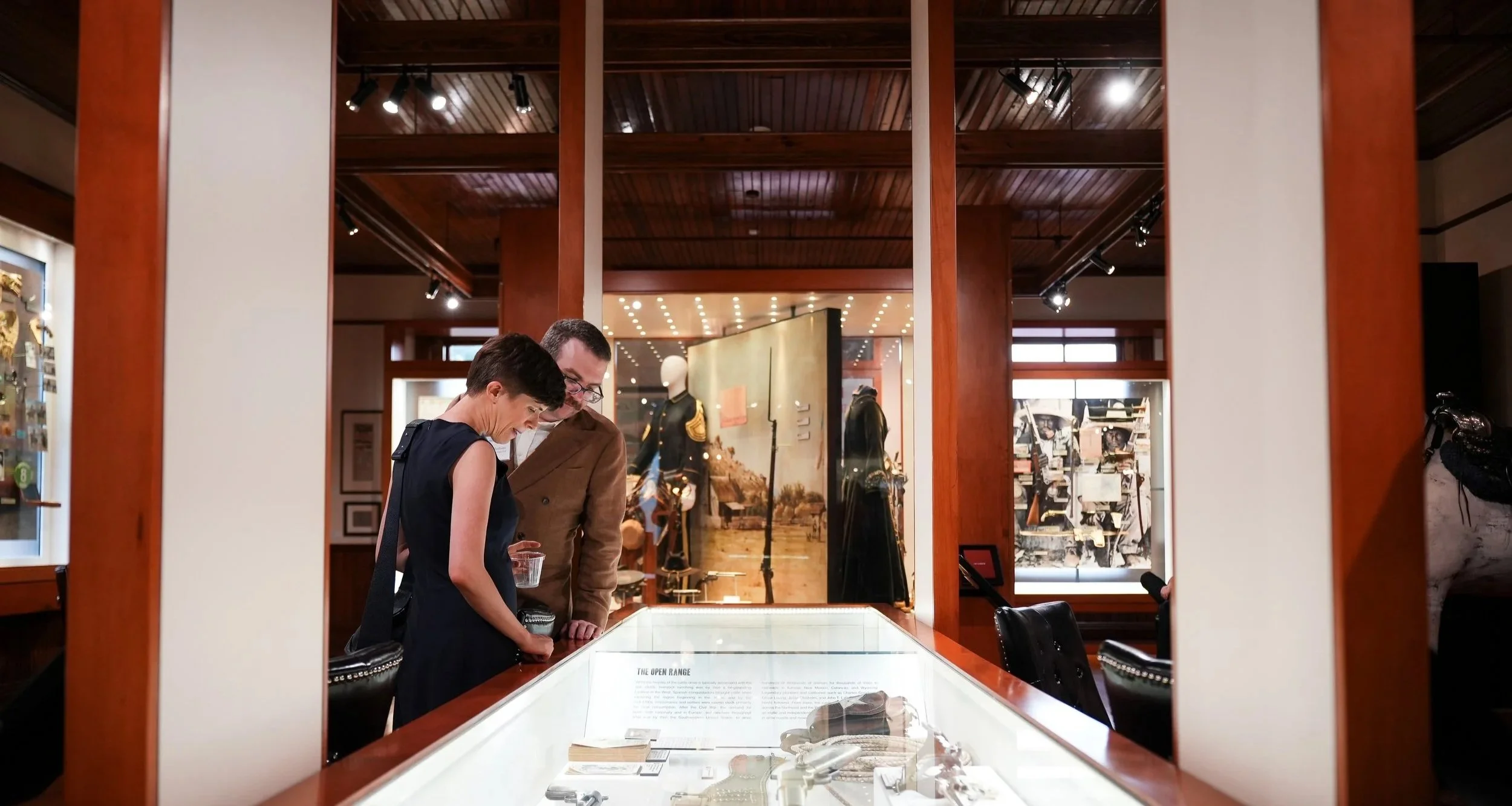
Photo by Michael Bishopthe
brief
Houston Public Media put its first satellite news bureau in Fort Bend county in 2024, on a plain premise: a reporter who lives in the county files stories a reporter who drives in cannot. Galveston County was the second. Julianna Washburn moved to the island and started filing.
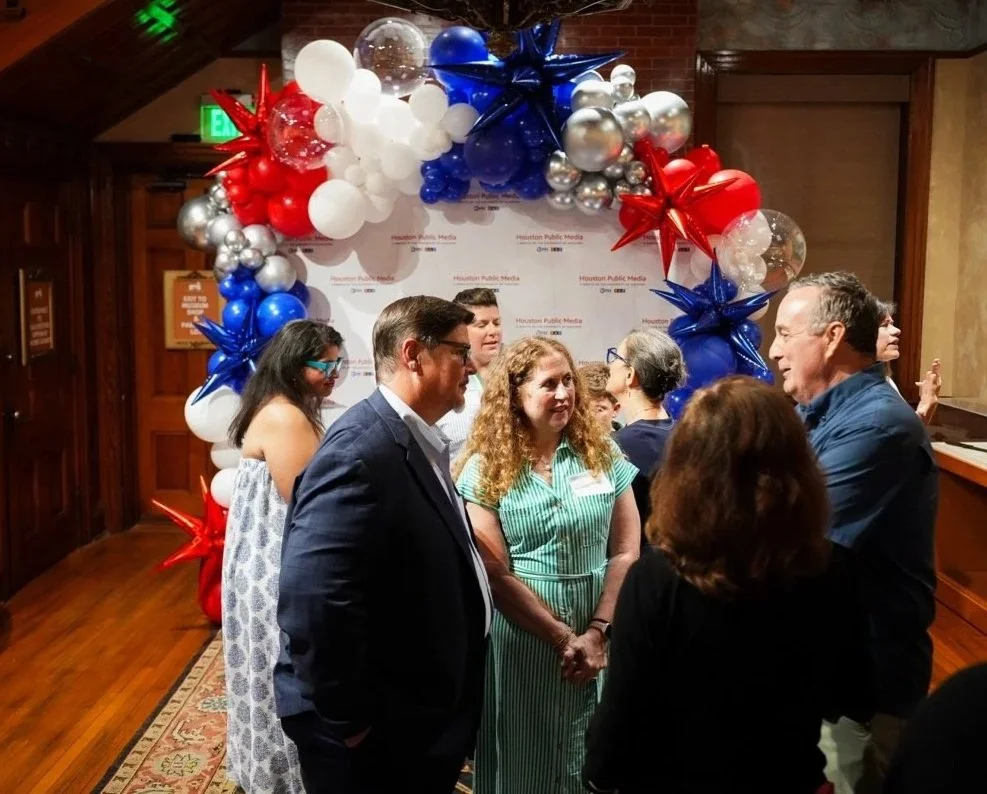
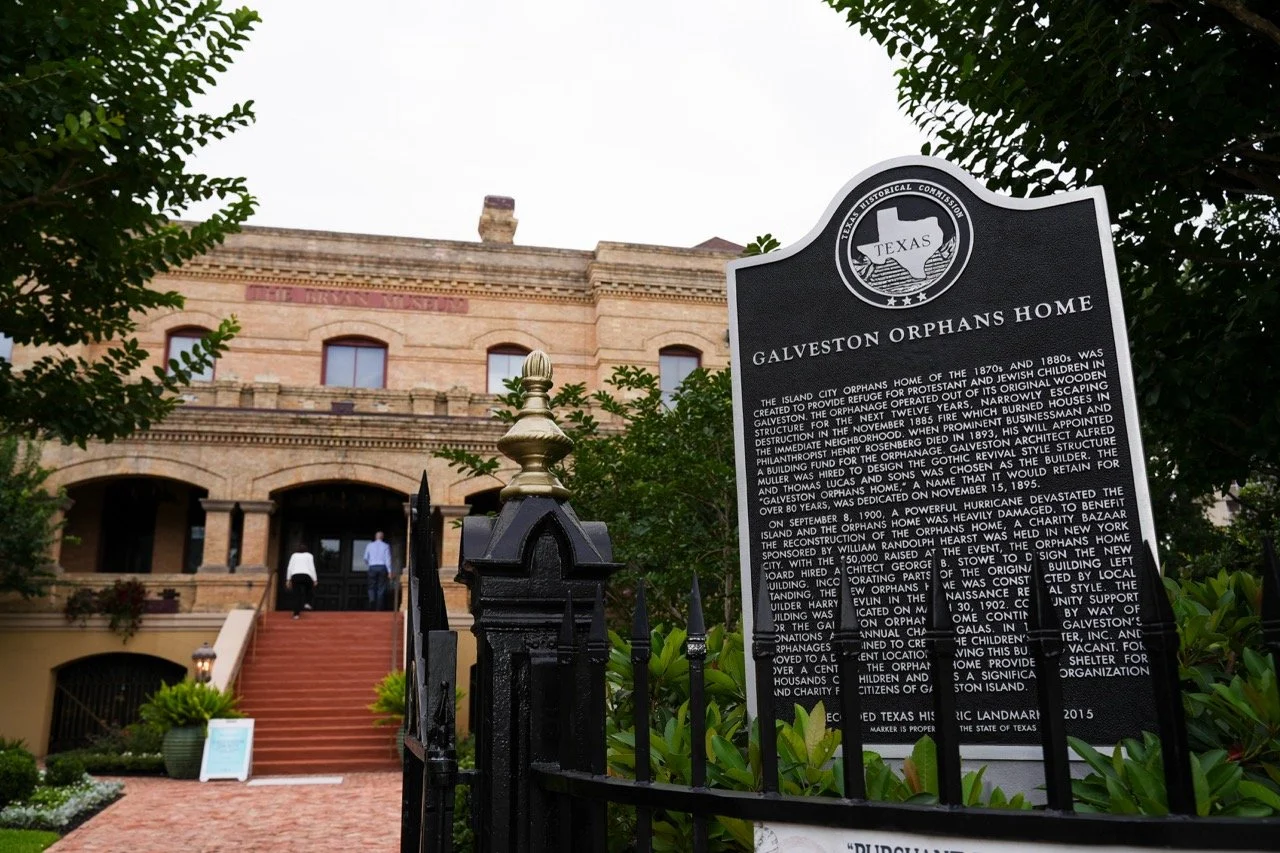
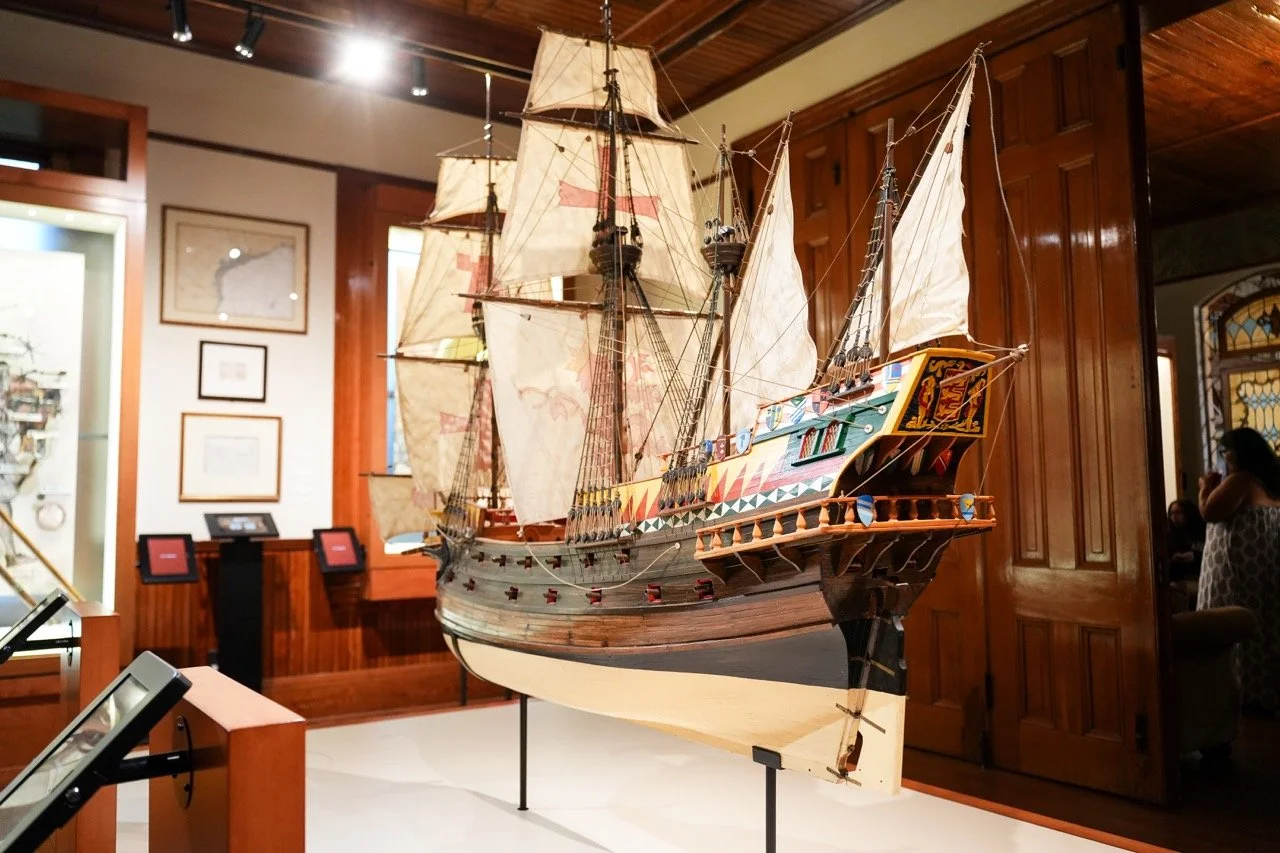
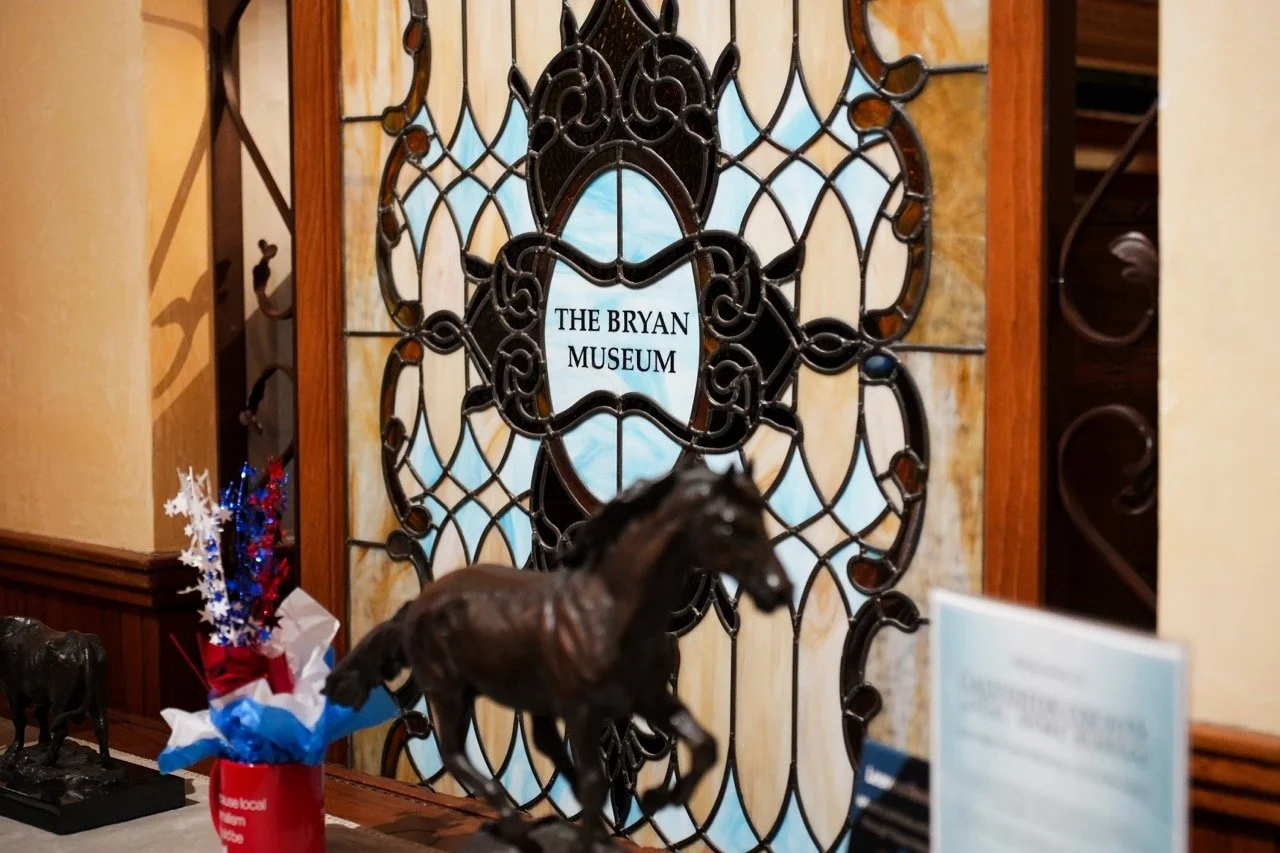
The launch event was how the county would find out. On May 20, 2026, about 130 people came to the Bryan Museum in Galveston. Donors, county commissioners, mayors, police and fire chiefs, school superintendents, the port, UTMB, and Washburn's new neighbors.
The event had one job: to show everyone in the room that the bureau was already producing the journalism it promised, as only an embedded team could do.
We ran creative direction on the launch from March 10 through the debrief nine days after the event, working alongside HPM's special events director.
the
work
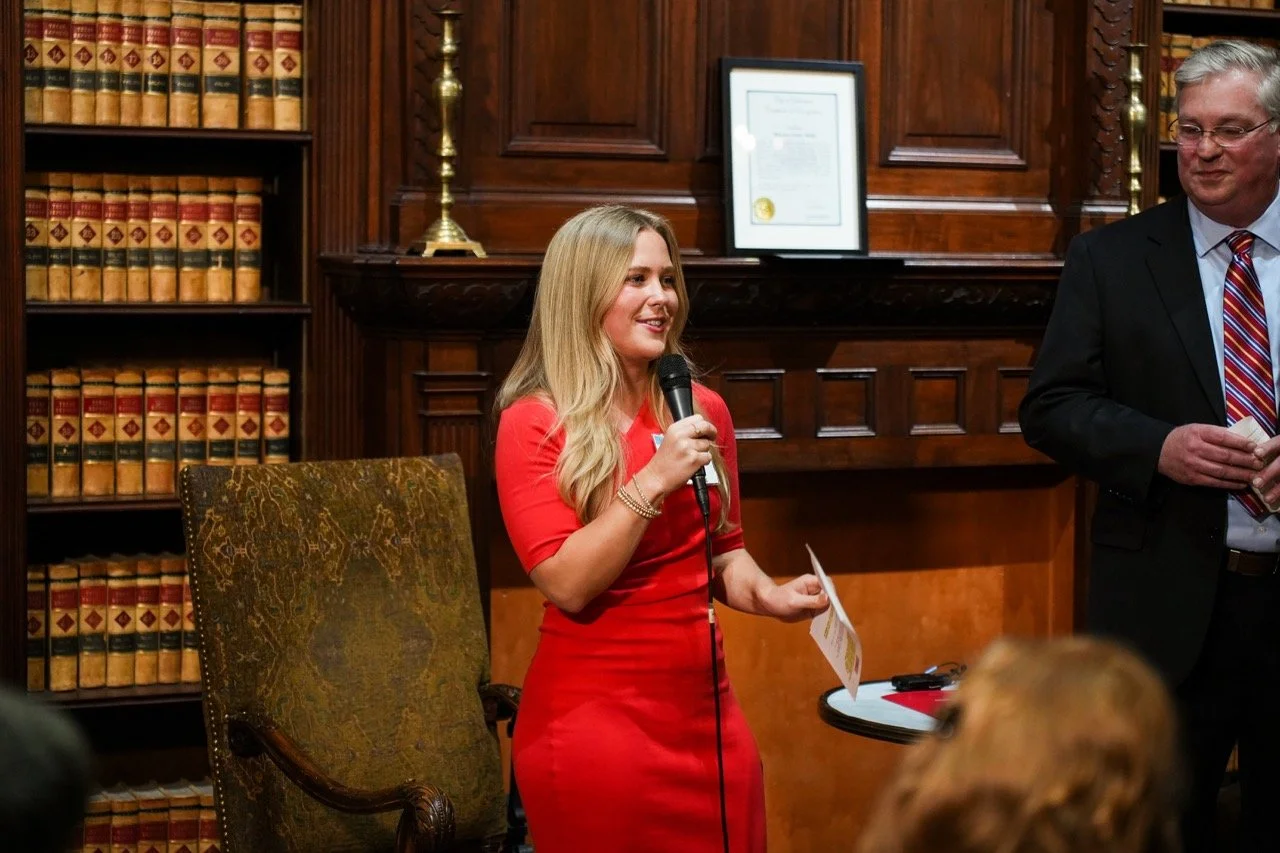
We built the program as a conversation. Scott Flannigan, HPM's senior director of news, asking the questions. Galveston County-embedded reporter Julianna Washburn answering them.
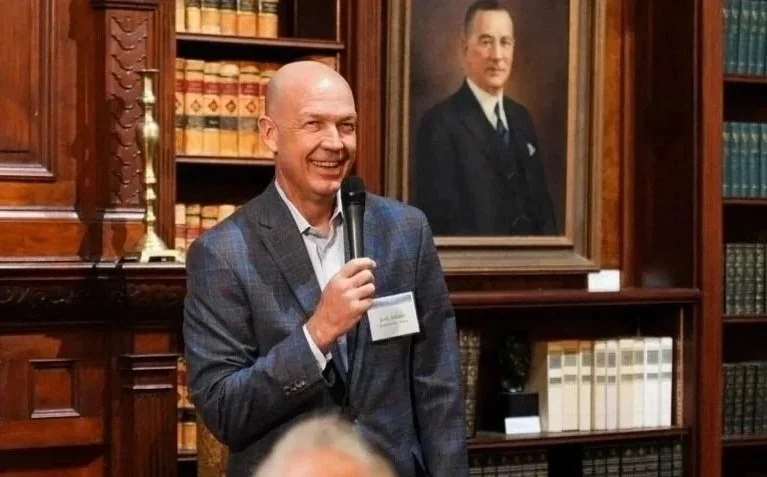
The program ran 20 minutes. Fifteen of those belonged to Washburn: ten with Flannigan, then five taking questions from the room. Josh Adams, HPM's associate vice president and general manager, opened and closed the program, speaking to the importance of local journalism and the support of members and donors.
The center of it was a story about a dog park. Washburn walks her dog most mornings and talks to whoever else is out. One morning a neighbor told her a plane had gone down five minutes away, and she was among the first reporters on the scene. That was the story the program was built around.
That was the proof that the bureau was already having an impact.
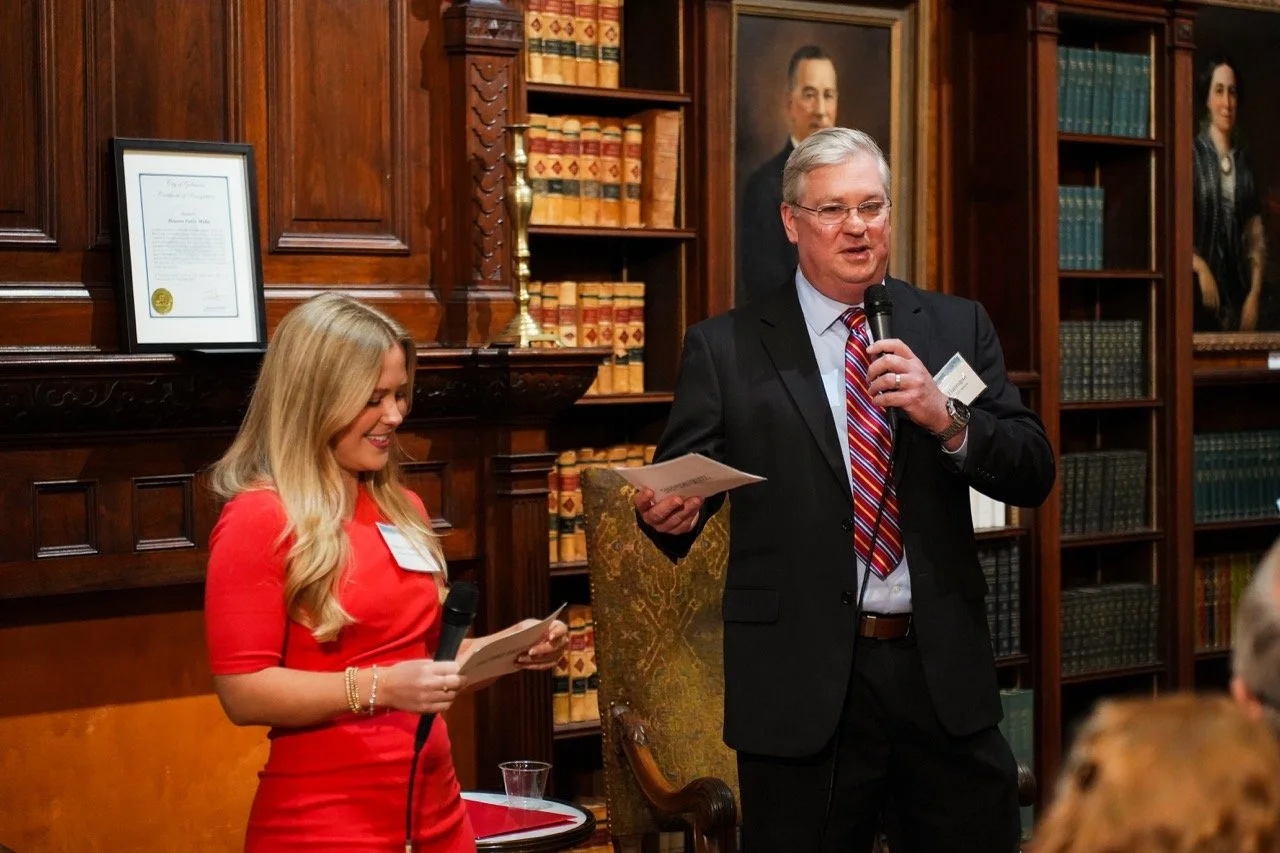
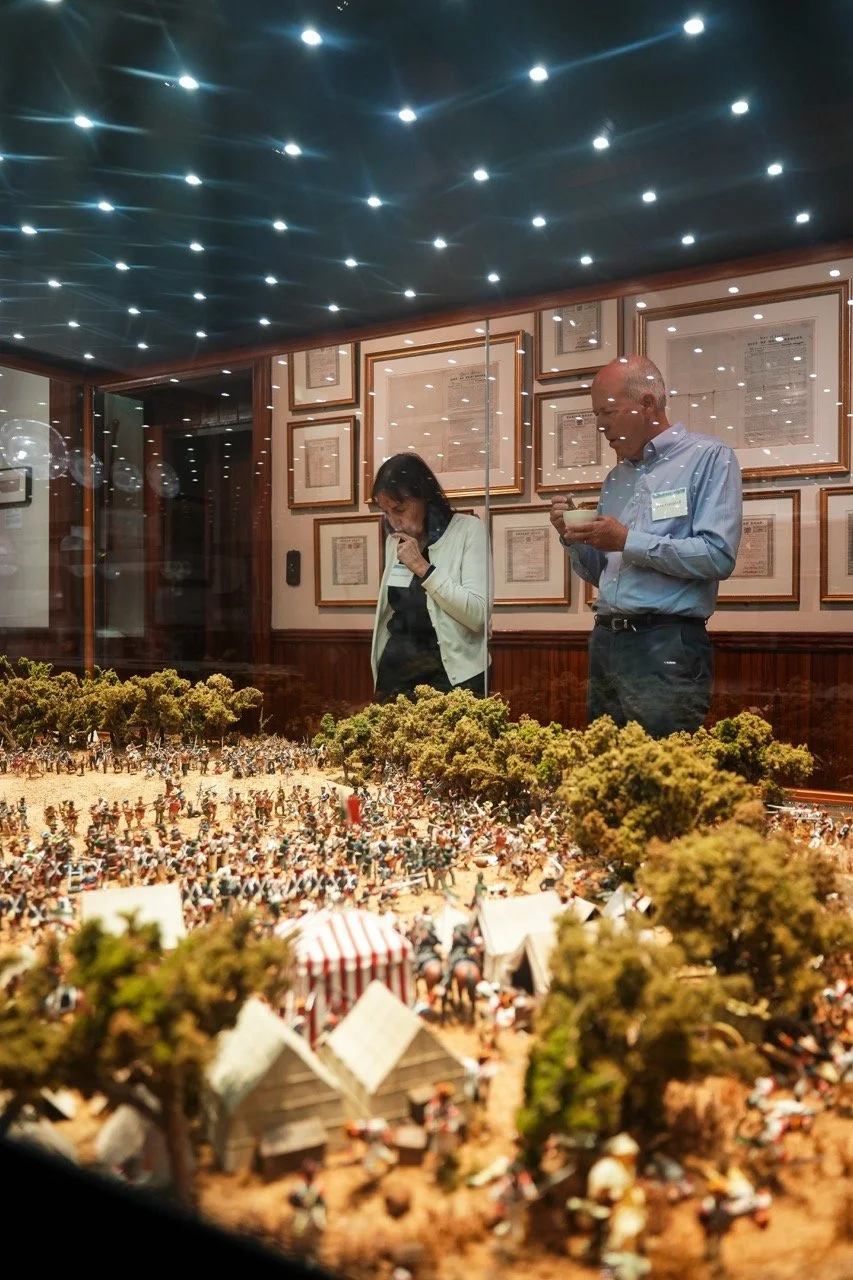
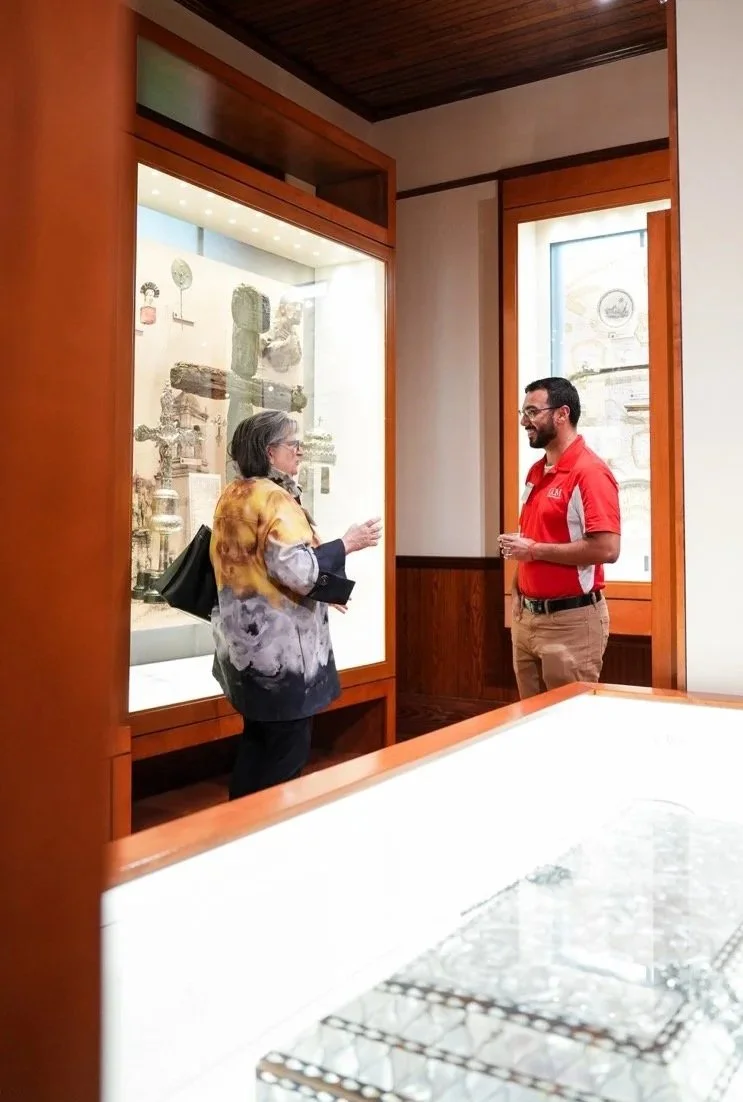
Photo by Michael BishopThe room made the rest of it harder. The Bryan Museum has no PA system. The program space is the third-floor library, standing room only around a central exhibit the museum could not move, with a single venue monitor for any screen content. Two entrances, a small lot, and an outdoor concert in the courtyard running until 7.
So the run of show was written by person and by minute. Every row named a lead, a location, an equipment need, and a cue. Setup crew at 3. Speakers at 4:45. A 15-minute tech rehearsal at 4:55 that existed to practice passing a microphone between three people, because the one time you don’t cover the small stuff, it burns you. All-staff briefing at 5:20 with printed rundowns, because all announcements that night came out of a staff member's mouth. Doors at 6. Guests moved upstairs at 6:30. Program at 6:45. Our packing list carried a thumb drive and a backup laptop with an HDMI cable for the one monitor.
The guest list came from a seven-category directive we wrote in early March: elected officials at the state, county and city level; civic and government leaders; business and industry; law enforcement and emergency management; media and cultural leaders; community organizations; and local benefactors, historians, and Gulf Coast writers. HPM's development team pulled every donor with a Galveston County zip code. About 200 invitations went on April 7, 165 of them to donors, followed by a reminder on May 13 and a know-before-you-go on May 18, featuring more detailed directions and parking availability.
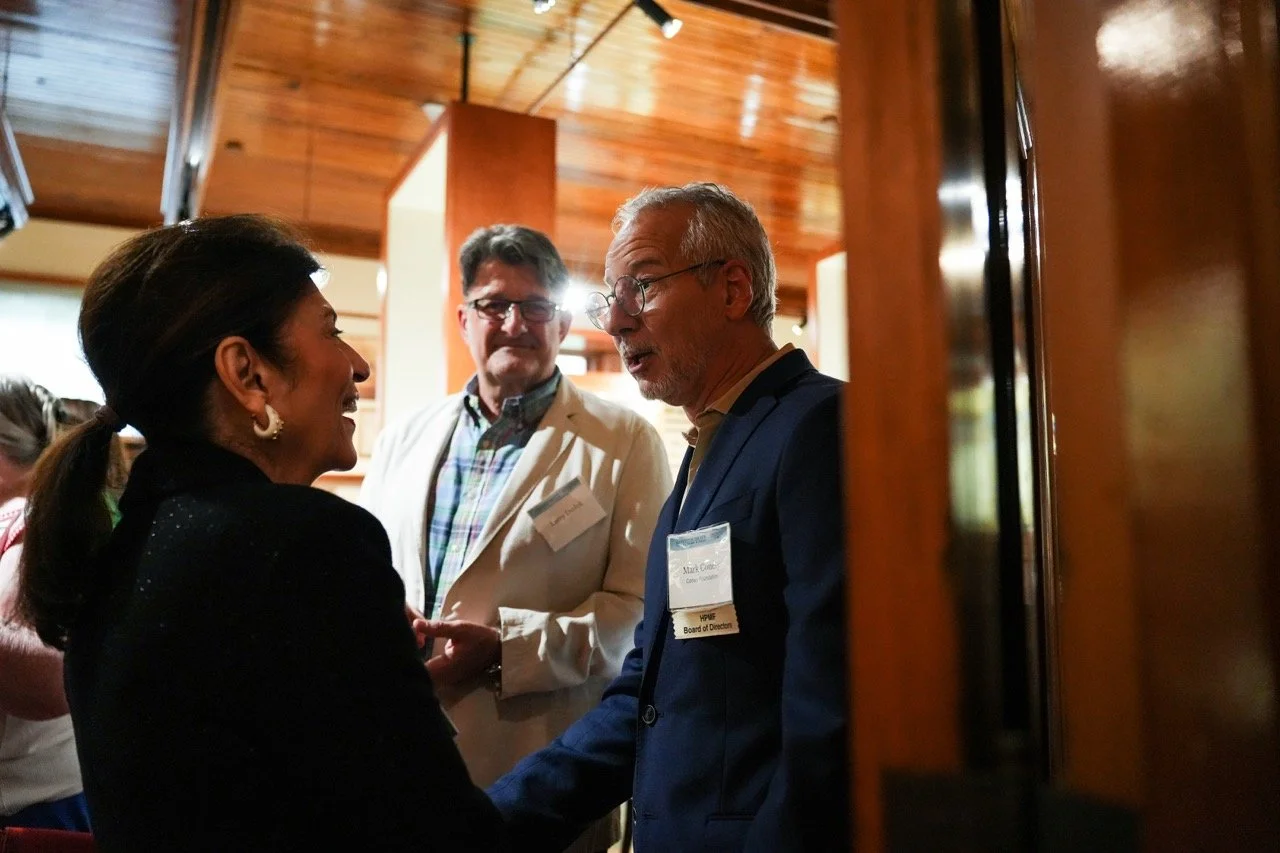
Two people worked the VIP greeting, splitting the elected officials and walking them to HPM leadership. Greeters covered both entrances. Three people ran check-in on Luma, which HPM was using for the first time.
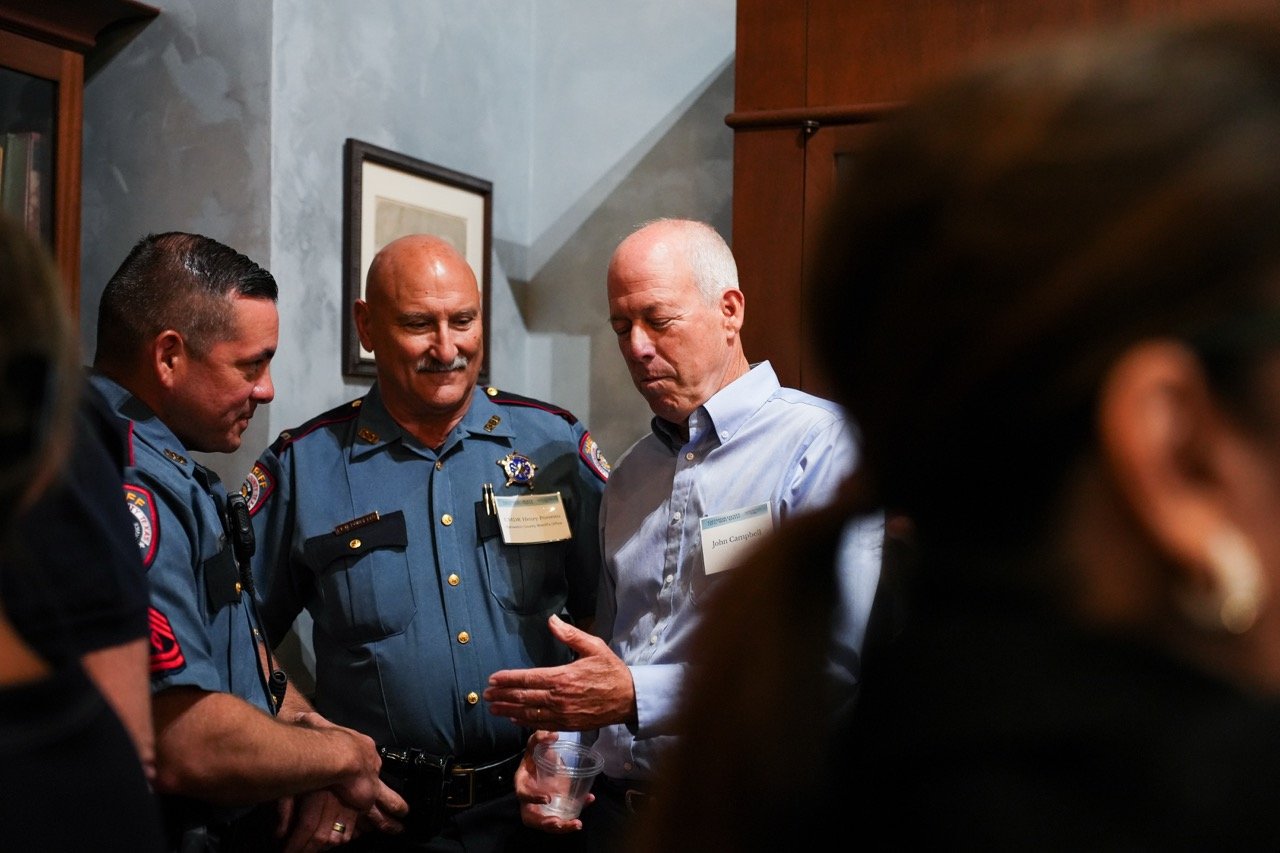
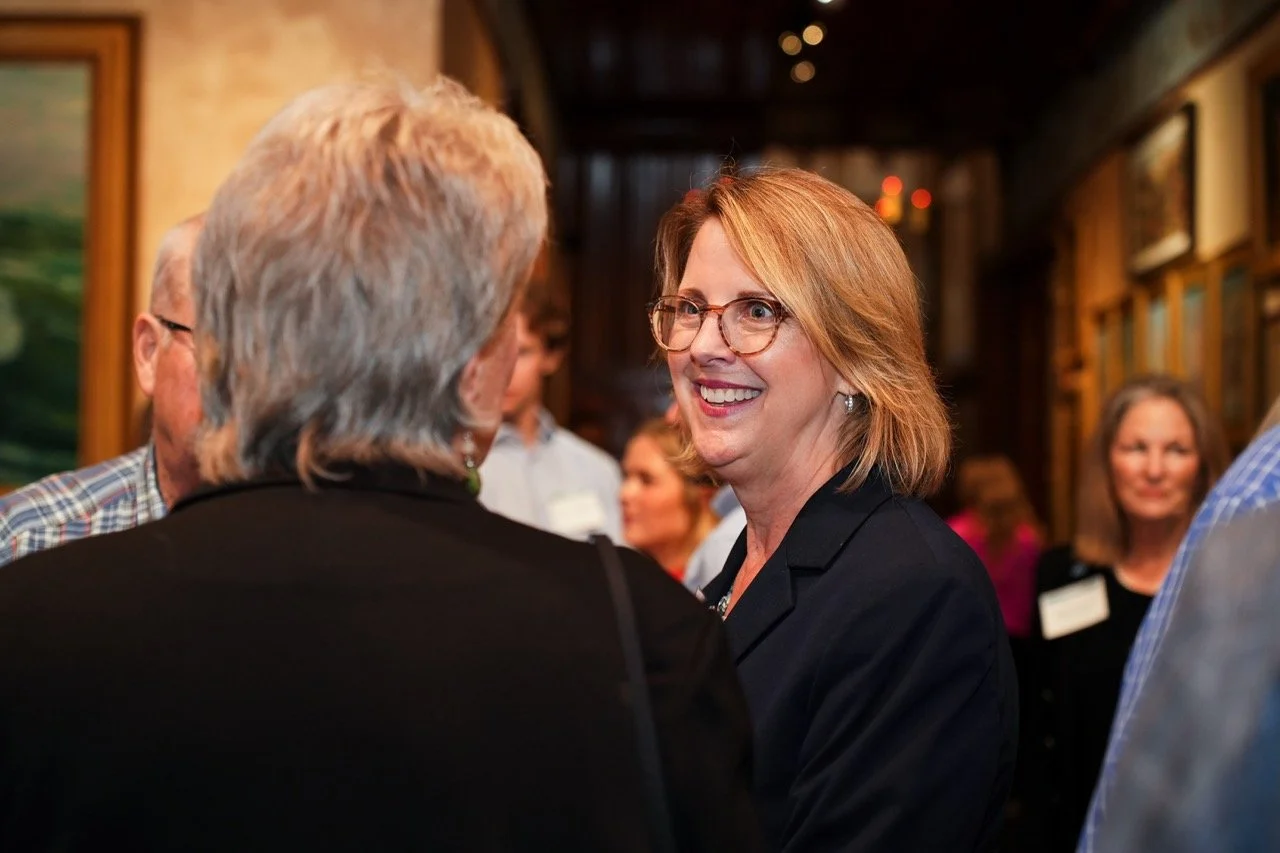
Photos by Michael BishopScope
Creative direction and co-production of the launch from kickoff to debrief: program design, event branding, run of show, communications cadence, invite strategy, staffing plan, vendor coordination, and day-of execution.
Delivered
Program design and script: a 20-minute moderated conversation, speaker talking points, and printed notecards with the bureau’s branding
Run of show as a Notion database: timed rows carrying phase, team, lead, location, cue, and equipment, with views filtered by team and role and a critical-beats view
Master briefing document: venue notes, contact sheet, communications calendar, AV plan, staffing assignments, call times, and packing lists, all separated in tabs for easy access
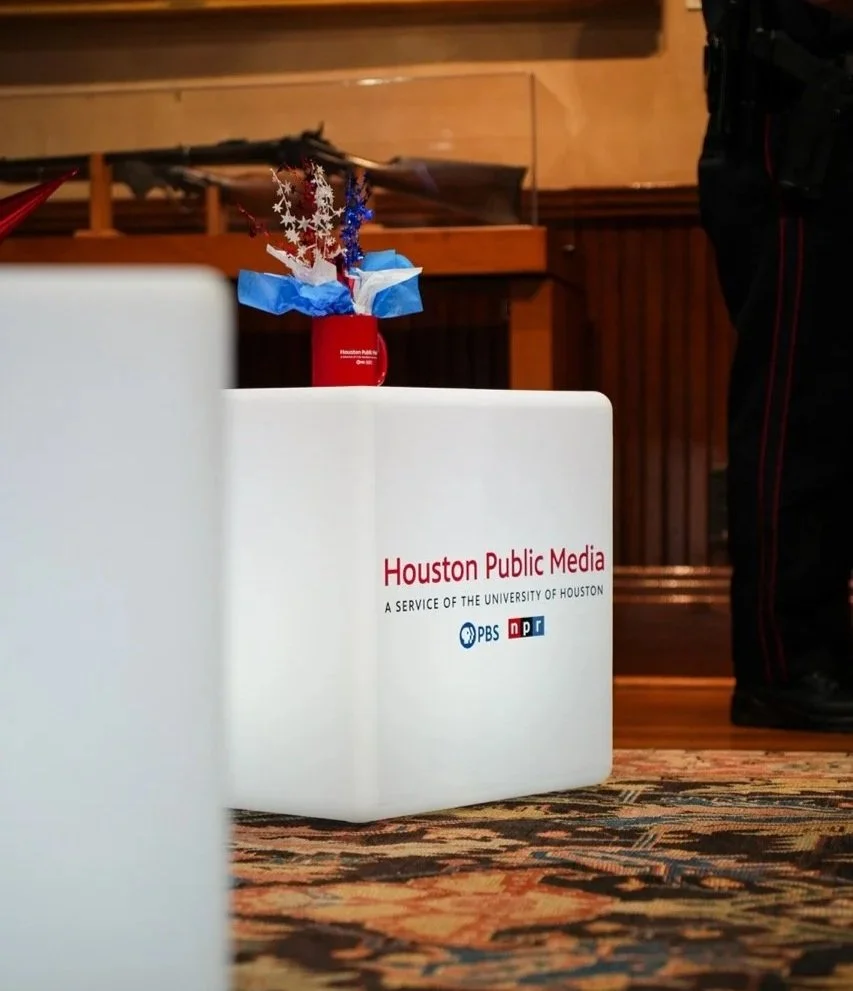
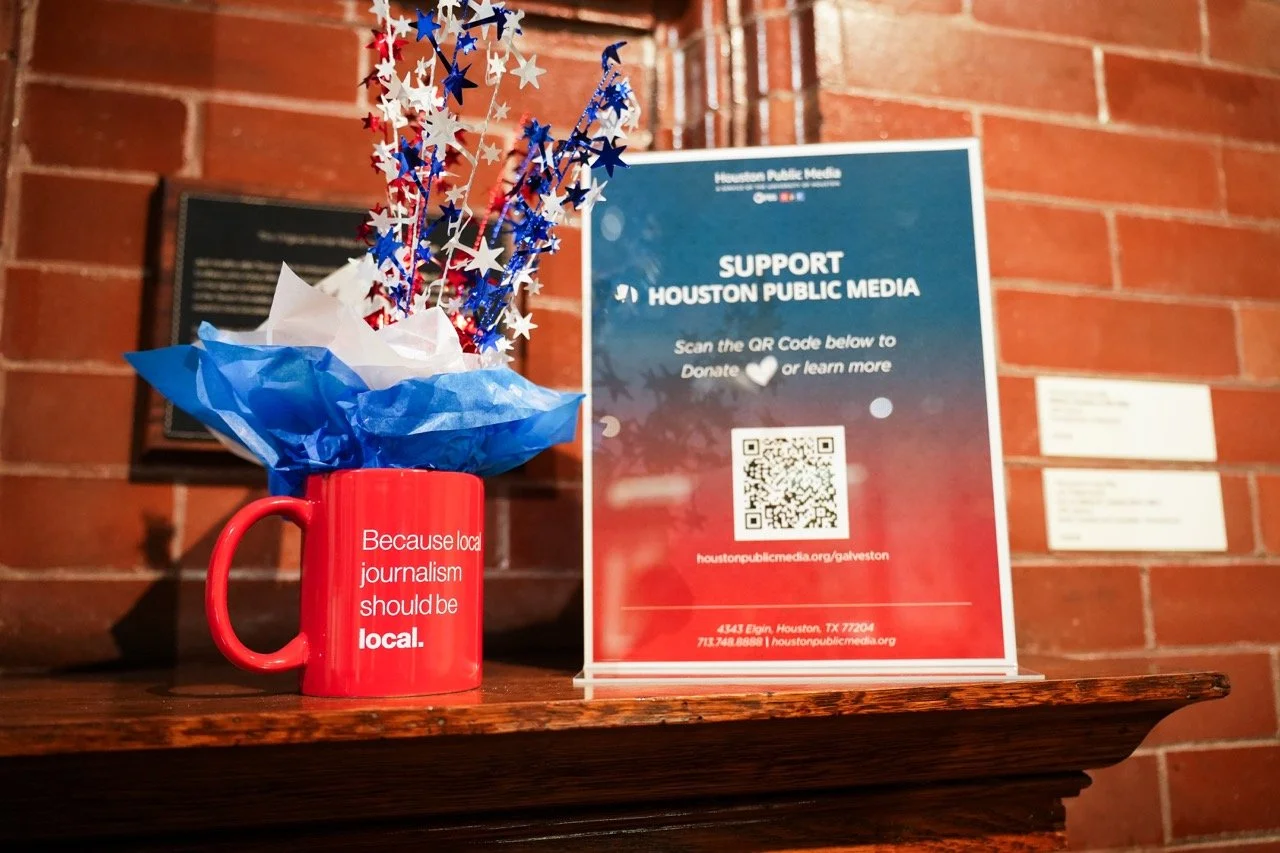
Event branding: digital invitation, reminder and know-before-you-go emails, check-in signage, two step-and-repeat banners, sandwich boards, monitor display loop, and branded light cubes
Seven-category invite directive, guest workbook, and Luma RSVP setup
Staffing plan: greeters at two entrances, three-person check-in, late check-in window, name tags, two-person VIP escort, photo assist, and guest roundup
Vendor and production coordination across venue, caterer, photographer, videographer, and PR
Press kit for Carbonara Group: key messages, drop-in lede, reporter spotlight, and verbatim speaker talking points
Post-event package: curated photo delivery, Flickr album, recap video, and the thank-you email
Task standard: four phases, seven workstreams, six task types, and a priority rule
“
The Galveston County Bureau launch was our marquee spring event. Justin executed end-to-end. The run of show, the room, the details nobody notices until they go wrong.
Josh Adams
Assoc. Vice President & General Manager
Houston Public Media
what
happened
103
guests RSVP'd, plus 30 HPM staff
49.24%
open rate on the recap email
31
new Hello Houston newsletter sign-ups
100%
of invited donors attended
Every donor the development team invited came, including one lapsed donor who left having agreed to a follow-up visit.
Washburn's own goal for the night was five useful contacts. She left with a stack of business cards, coffee meetings booked, and a tour of Shriners scheduled. Guests told staff they had listened to that morning's Hello Houston and arrived with story ideas. One city official mentioned they had started listening to NPR.
At the May 29 debrief, HPM decided to put one to two more events into both Fort Bend and Galveston to hold the momentum.
Weekly check-ins
Shared access, so leadership has answers faster.
RSVP and check-in
Three people checked in a full room, no queue.
Master brief format
Contact, calendar, call times, packing list.
Run of show database
Every beat has a lead, a cue, a kit.
Phased task standard
Pre-production → wrap. Seven work-streams.
Priority discipline
Critical path holds 10-15 tasks.
what they
run now
HPM kept the run of show and still runs events off it. It lives in Notion as a database where every row is a timed beat with a phase, a team, a lead, a location, a cue, and an equipment need. The views do the work: filter to one team and the videographer sees only their own rows, filter to critical beats and leadership sees the handful of things that cannot slip.
runs without us
HPM events team
The task structure came out of this project and became their standard for events. Four phases from pre-production to post-event wrap, seven workstreams, six task types, and a priority rule that holds the critical path to 10 to 15 items so the flag still means something.
They kept the communication cadence too: weekly check-ins and shared project access, so anyone in HPM leadership can answer a question about an event without calling us. And they kept Luma. The launch was the trial run, and three people checked in a full room on it without a queue.
Credits
The Justin Scott Group
Creative Direction — Justin McKee
Houston Public Media
Event Direction — Trinity Higinbotham
Design — Jessica Davila
Vendors
Photography — Michael Bishop (Shot by Bishop)